When I review finished wedding gowns before they ship, I spot a clean satin fabric reflecting light evenly across the bodice and skirt—but sometimes I see something else. A faint oil mark near a seam. A water ring where someone pressed too much steam into the fabric. A fingerprint that dried into the sheen. These marks didn't appear because the factory floor was dirty. They appeared because satin wedding dresses moved through twelve production departments, and every stage introduced contact, heat, moisture, and handling that a reflective fabric cannot hide.
Oil and water stains on satin wedding dresses occur during production when smooth, high-sheen fabric meets residue from hands, machine surfaces, pressing equipment, and moisture during cutting, sewing, steaming, and inter-department transfer. Satin's reflective finish makes these marks more visible than on textured or matte fabrics, so buyers should evaluate how a supplier prevents contamination through process controls, not just how they clean stains at final inspection.
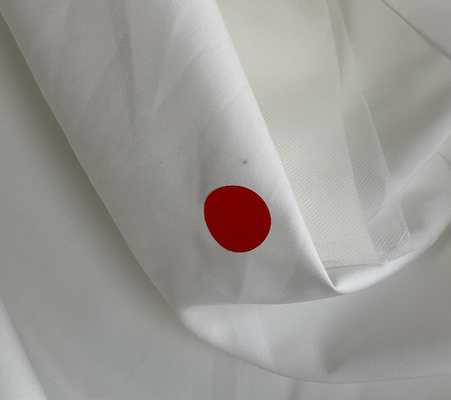
If you source satin bridal gowns, you need to understand where these marks come from and how production processes either prevent or create them. Many buyers discover the problem only when samples arrive with visible stains or when bulk orders require cleaning delays. The real question is not whether satin can stain—it will under certain conditions—but whether your supplier controls the process before stains form.
Does Satin Fabric Stain More Easily Than Other Wedding Dress Fabrics?
Satin does not chemically attract oil or water more than tulle, lace, or organza. The difference is visibility.
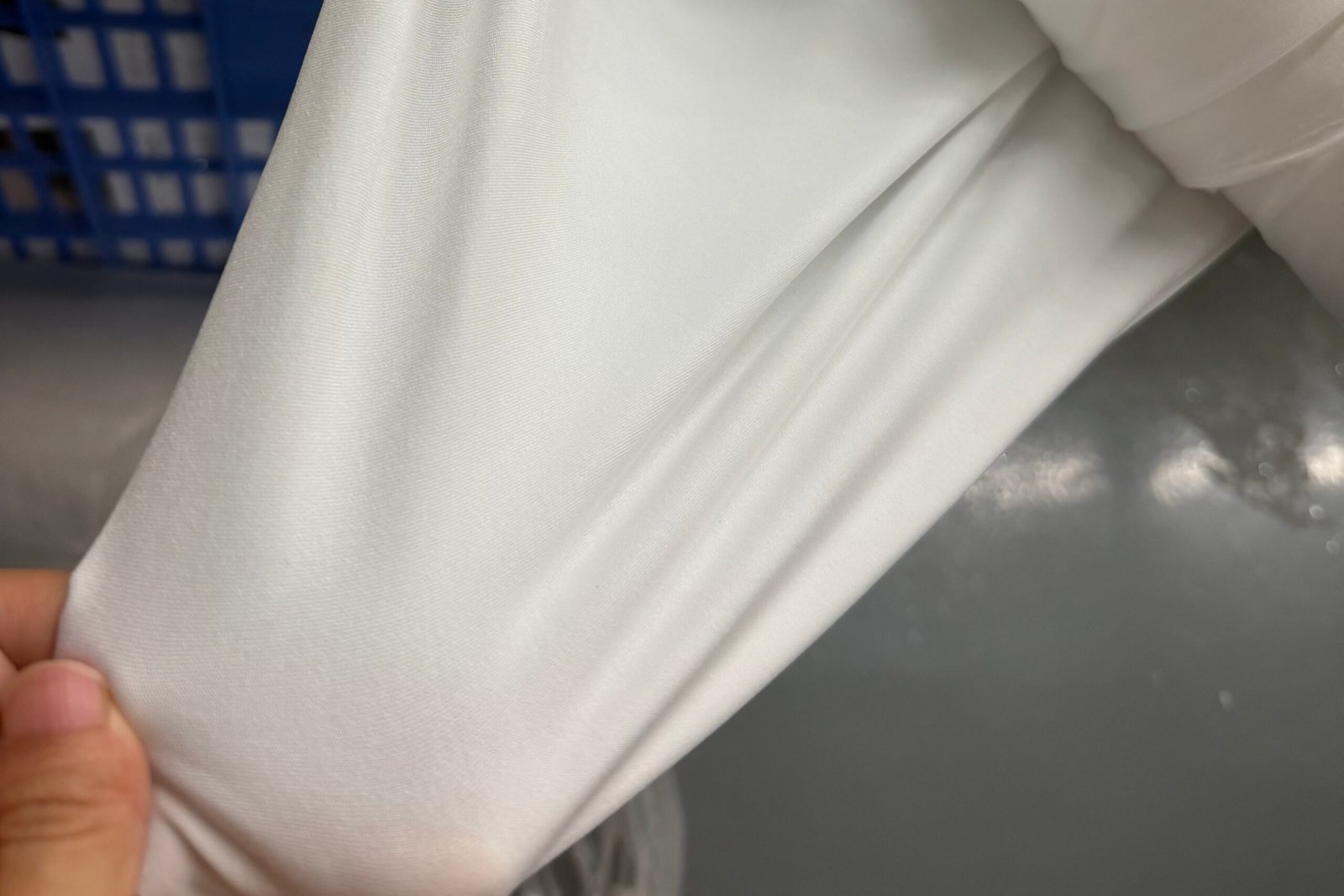
Satin wedding dress fabric shows oil marks, water rings, fingerprints, rust spots, and pressure marks more clearly because its smooth, reflective surface has no texture to diffuse light or hide residue.1 Even small amounts of contamination that would remain invisible on matte or embroidered fabrics become noticeable on satin.
Why Reflective Fabric Makes Stains More Obvious
Satin creates its sheen through a weave structure that reflects light from a smooth surface.2 When oil residue, moisture, or dirt lands on that surface, it interrupts the reflection pattern. You see a dull patch, a darker ring, or a spot where the fabric no longer catches light evenly.
In production, I have handled A-line satin skirts and mermaid gowns with satin bodices. I can run my hand across a tulle overlay without leaving a mark, but touching clean satin with slightly oily fingers—from lotion, machine lubricant, or even natural skin oils—can leave a visible print. The fabric didn't absorb more oil. It just revealed what tulle would hide.
This does not mean satin is poor quality. It means satin requires stricter handling protocols across every production stage:
- Workers must wash hands or wear cotton gloves when handling satin panels
- Cutting tables, sewing machine surfaces, and pressing boards must be wiped clean before each shift
- Garment baskets and transport carts should be lined with clean protective cloth
- Steam pressing must control moisture levels to avoid water rings
These steps are not optional quality measures. They are necessary process controls for reflective fabric.
Common Misunderstandings About Satin Sensitivity
Some buyers assume stains on satin wedding dresses mean the factory floor is dirty. That assumption misses the real issue. Oil and water marks can appear even in clean production environments because:
- Machine oil exists in controlled amounts inside sewing machines, and trace amounts can transfer to presser feet, needle plates, or thread paths
- Natural hand oils accumulate during a full production day, even when workers wash regularly
- Moisture from steam pressing can condense on fabric if heat, pressure, and drying time are not balanced
- Metal contact points—pins, needles, needle plates—can develop minor rust spots in humid climates, transferring to white or ivory satin
The contamination risk is not about cleanliness alone. It is about how many contact points exist between raw fabric and finished garment, and whether each contact point is controlled.
| Fabric Type | Surface Texture | Stain Visibility | Handling Sensitivity |
|---|---|---|---|
| Satin | Smooth, reflective | High | High |
| Tulle | Mesh, porous | Low to medium | Low |
| Lace | Textured, raised pattern | Low | Medium |
| Organza | Sheer, slightly textured | Medium | Medium |
| Mikado | Structured, semi-matte | Low to medium | Medium |
Satin sits at the top of the visibility scale. Buyers selecting satin wedding dresses should ask suppliers how they manage that sensitivity, not whether stains can happen.
Where Do Oil Stains Enter the Production Process?
Oil marks on satin wedding dresses do not appear at random. They enter at specific stages where fabric contacts oily surfaces, machine parts, or human hands.
Oil stains most commonly form during fabric inspection and cutting (from table surfaces or residue on hands), sewing (from machine oil, presser feet, or needle plates), and inter-department transfer (from handling or transport baskets). Each stage requires process controls to minimize residue transfer before fabric reaches finishing.
Fabric Inspection and Cutting Stage
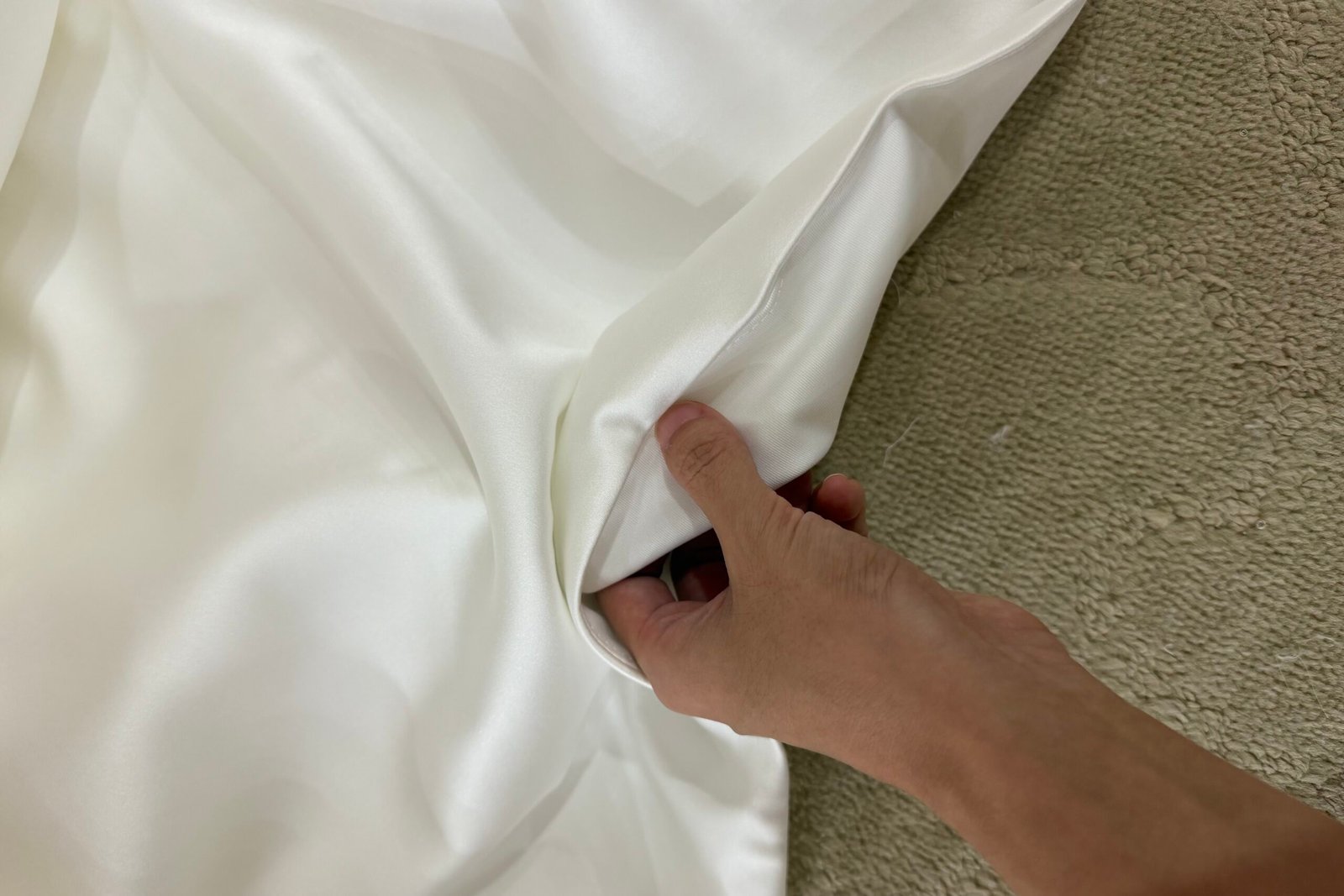
Before we cut patterns, we inspect incoming satin fabric rolls for color consistency, surface defects, and hand feel. This is the first control point. If the fabric supplier shipped material with existing stains, oil spots, or uneven sheen, those marks will transfer into cut panels.
During inspection, workers unroll fabric across long tables. If the table surface has residue from previous rolls—dust, lint, or oil from other fabric types—it can transfer to satin. We wipe tables between rolls and check lighting angles to catch existing marks before cutting.
Cutting introduces another risk. Pattern cutters handle multiple fabric layers at once. If their hands have lotion, machine lubricant from adjusting blade tension, or natural oils from prolonged contact, those residues can transfer to satin panels. This is why we require hand washing or cotton gloves during satin cutting shifts.
Sewing and Assembly Departments
Sewing machines create the highest oil-stain risk. Every machine uses lubricating oil in its mechanical parts—feed dogs, bobbin cases, needle bars. That oil keeps the machine running smoothly, but trace amounts can reach external surfaces:
- Presser feet press fabric against the machine bed. If oil migrates to the foot's underside, it contacts satin directly.
- Needle plates sit beneath the presser foot and can accumulate oil around needle holes or feed dog slots.
- Thread paths sometimes pass near oiled components, and thread can carry micro-amounts of residue to seams.
In production, we schedule regular machine cleaning and check presser feet before starting satin orders. But even with maintenance, a single overlooked oil spot can mark multiple gowns in one sewing batch.
Another sewing-stage risk: pins and needles. In humid climates like Xiamen, metal components can develop surface rust if not stored properly. A rusted pin pressed into white satin leaves a visible mark. We rotate pin supplies and discard any showing discoloration.
Inter-Department Transfer and Handling
A satin wedding dress moves through at least twelve departments from cutting to final quality check. Each transfer is a contact point:
- Garment baskets used to transport pieces between cutting, sewing, beading, and pressing departments
- Hangers and racks in the finishing area
- Workstation surfaces in hand-beading and appliqué departments
- Pressing boards and steaming equipment in the ironing section
If baskets are not lined with clean protective cloth, residue from previous garments—especially if those included oil-based lace adhesive or synthetic tulle—can transfer to satin. We use dedicated transport baskets for satin gowns and cover delicate bodices with breathable fabric during transfer.
One production detail buyers rarely see: workers often rest fabric on their laps during hand-sewing or beading. If the worker's apron or clothing has residue, it contacts satin. We provide clean work aprons specifically for satin handling shifts.
How Do Water Stains Form on Satin Wedding Dresses?
Water marks on satin are less about water itself and more about how moisture, heat, and drying interact with reflective fabric.
Water stains appear on satin wedding dresses when moisture from steam pressing, humidity exposure, or condensation dries unevenly, leaving visible rings or dull patches where the fabric's surface tension changed.3 Unlike oil stains, water marks often result from pressing and finishing stages rather than sewing.
Steam Pressing and Heat Application
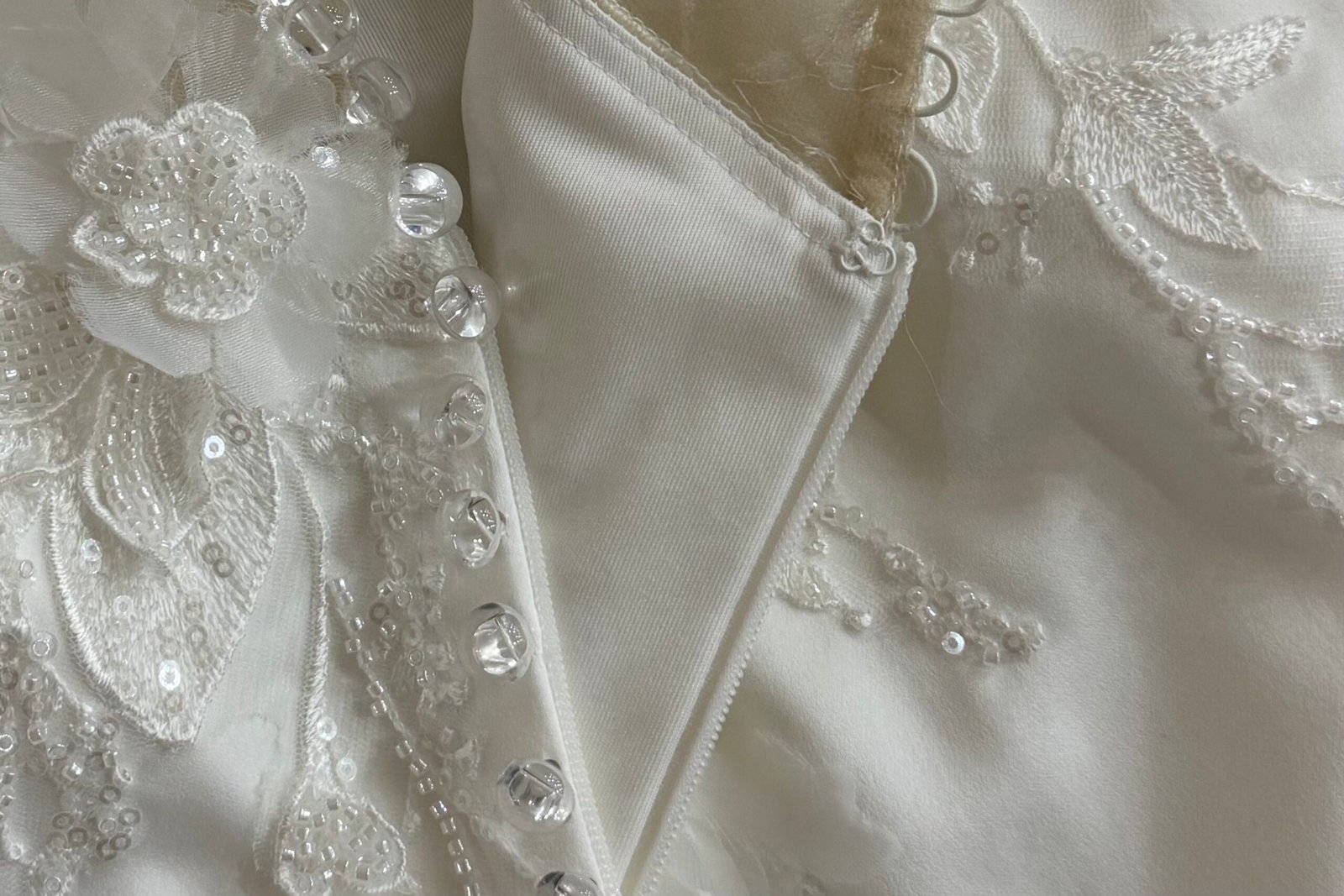
We press satin wedding dresses to remove wrinkles, set seams, and create smooth surface sheen before final inspection. Steam pressing uses moisture and heat together. If either variable is uncontrolled, water rings form.
Here's what happens: the presser applies steam to relax fabric fibers, then uses an iron to smooth the surface. If too much steam is applied at once, moisture saturates a localized area. When that area dries, the water evaporates unevenly—leaving a ring shape where the moisture boundary was.4
I have seen this happen most often on satin skirts with large, uninterrupted panels. A presser moves the iron quickly across the fabric, applies a burst of steam, then lifts the iron before the moisture fully dries. The result is a faint water ring visible only under certain lighting angles—but very visible under boutique try-on lights or photographer's strobes.
Prevention requires balancing three factors:
- Steam volume: Apply steam in controlled amounts, not continuous bursts
- Heat temperature: High enough to dry moisture quickly, but not so high it scorches or yellows ivory satin5
- Drying time: Allow pressed areas to cool and dry completely before folding or hanging
Some factories rush pressing to meet delivery deadlines. That rush creates water marks buyers discover only after shipment.
Humidity Exposure During Storage
Satin fabric can absorb ambient moisture in humid production environments.6 If a finished gown hangs in a humid finishing area overnight, then gets packed the next morning into a sealed garment bag, trapped moisture can condense inside the bag during temperature changes.
This creates water spots that appear as dull patches or slight discoloration. We store finished satin gowns in climate-controlled areas and allow them to stabilize at room temperature before packing.
Condensation from Temperature Shifts
Water stains can also form during shipping or storage if garments move from warm to cold environments. Moisture in the air condenses on cool satin surfaces, then dries into visible marks.
This is not strictly a production issue, but it affects how buyers evaluate quality. A gown that left the factory clean can arrive with water rings if shipping conditions were not controlled. Buyers should ask suppliers how they package satin gowns for temperature-sensitive transit.
Can Oil and Water Stains Be Removed After Production?
Removing stains from finished satin wedding dresses is possible in some cases, but it is not a reliable primary quality strategy.
Light oil marks or water rings on satin can sometimes be treated through controlled spot-cleaning, re-pressing, or localized steam application by experienced finishing staff. However, aggressive cleaning risks damaging sheen, altering texture, weakening seams, or delaying delivery7—so prevention through process controls remains the more effective approach.
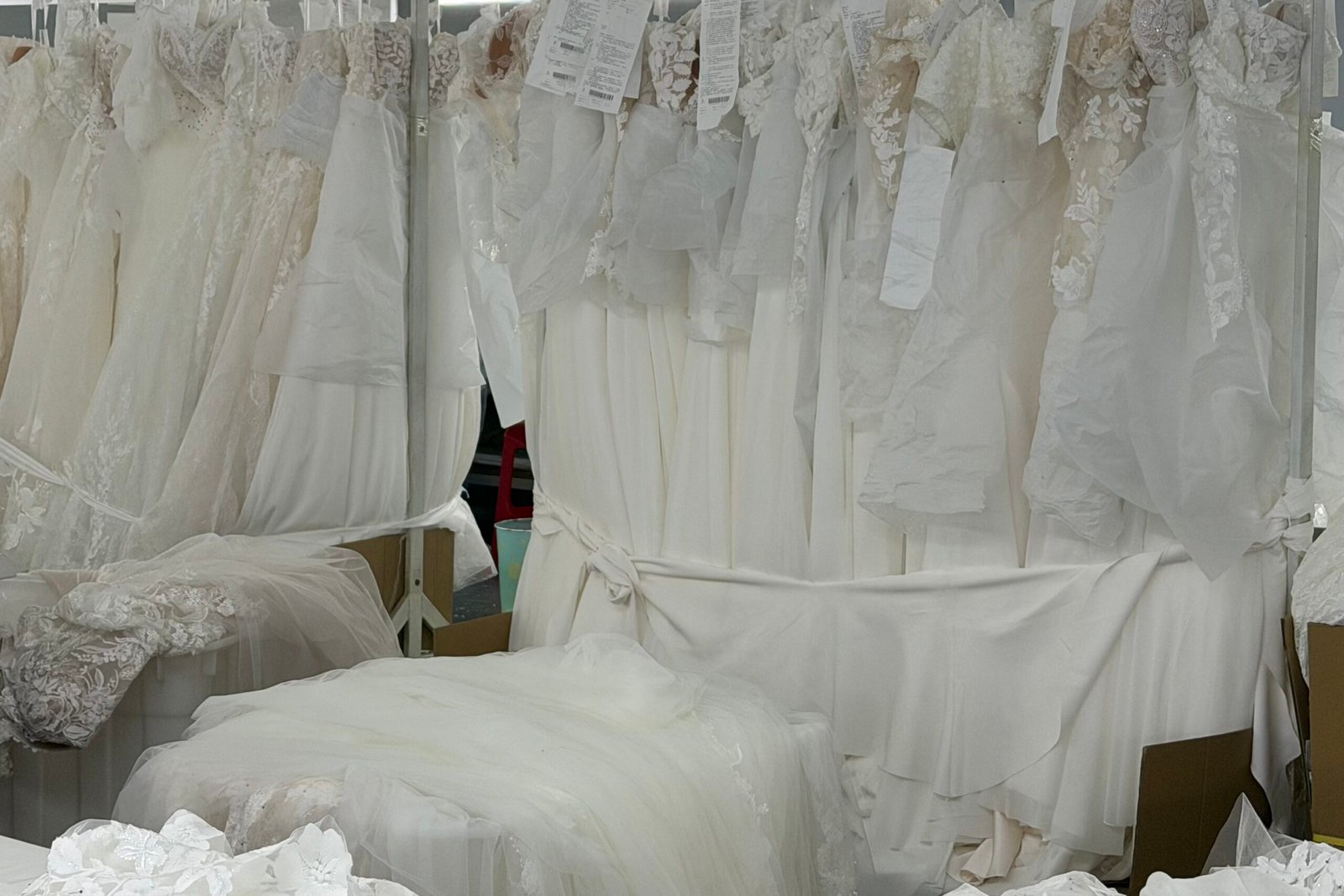
What Stain Removal Can and Cannot Do
In our quality inspection department, we assess every stain individually:
- Location: Is the mark on a visible area like the bodice front, or hidden in a seam allowance or interior lining?
- Size: Is it a small fingerprint-sized spot, or a large water ring across a skirt panel?
- Type: Is it surface residue that can be lifted, or has it set into the fabric fibers?
- Fabric response: Will spot-cleaning leave a clean area that looks different from surrounding fabric, creating a new visible mark?
Light surface marks—such as a fresh fingerprint or a small water ring from pressing—can sometimes be addressed by re-steaming the area to redistribute moisture, then drying evenly. This works because the mark has not chemically bonded to the fiber.
Oil marks are more complex. If machine oil transferred to satin during sewing, it has likely spread into fiber pores. Spot-cleaning with a degreasing agent can lift the oil, but it can also:
- Leave a cleaned patch that reflects light differently than untreated areas
- Alter the fabric's hand feel, making it stiffer or rougher
- Create a water ring from the cleaning solvent itself
- Weaken structural integrity if the stain is near a seam or bead attachment point
We do not promise that all stains can be removed. Some marks require remaking the affected panel or, in severe cases, remaking the entire garment.
Why Stain Removal Delays Delivery
If a buyer discovers stains at final inspection and requests cleaning, the process adds time:
- Assessment: Quality staff evaluate whether cleaning is possible without further damage
- Testing: Any cleaning method should be tested on a scrap piece of the same satin before applying to the garment
- Cleaning: The actual spot-cleaning or re-pressing work
- Drying and stabilization: Treated areas must dry completely and stabilize before re-inspection
- Re-inspection: Confirming the mark is gone and no new marks appeared
This process can add 2–5 days to delivery time. If multiple gowns in a bulk order need treatment, delays compound.
Buyers who rely on post-production stain removal as the primary quality control are accepting that risk. Suppliers who prevent stains during production deliver faster and more consistently.
Internal Stain-Handling Procedures We Use
When we do encounter stains during production—before final inspection—we follow controlled procedures:
- Immediate isolation: The garment is removed from the production line and tagged for assessment
- Cause identification: We trace which department and which process stage introduced the mark
- Corrective action: The responsible department adjusts its process—cleaning a machine, replacing pins, re-training a worker
- Treatment decision: Quality staff decide whether to clean, remake the panel, or remake the garment based on stain severity and delivery timeline
This internal handling happens before the buyer sees the product. It is part of process control, not a substitute for it.
How Should Buyers Evaluate Supplier Stain-Prevention Processes?
If you source satin wedding dresses, you should assess contamination risk before placing orders, not after receiving stained samples.
Buyers should evaluate whether a supplier uses fabric inspection before cutting, controls machine oil contact points, manages moisture during pressing, protects garments during inter-department transfer, and conducts layered quality checks—not whether they can clean stains after they form.
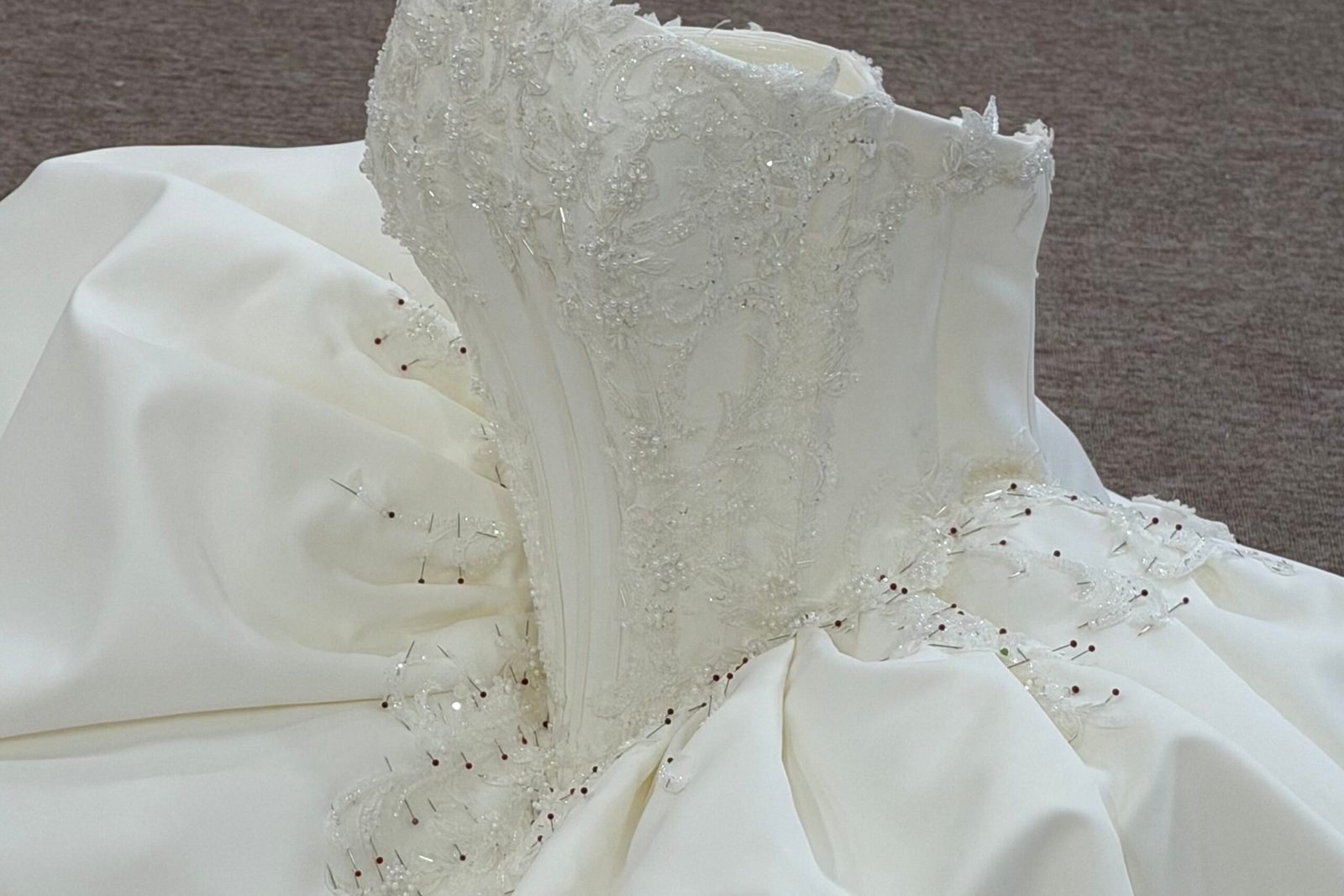
Questions to Ask During Supplier Evaluation
When you visit a factory or conduct a virtual audit, ask specific process questions:
-
How do you inspect incoming satin fabric before cutting? Look for procedures that check for existing stains, color consistency, and surface defects at the fabric-receiving stage.
-
What surface preparation do you use for cutting tables and sewing workstations? Suppliers should wipe tables between fabric types and use protective coverings for satin.
-
How often do you clean sewing machines used for satin orders? Regular maintenance schedules prevent oil buildup on presser feet and needle plates.
-
Do workers handling satin wear gloves or wash hands between tasks? This reduces natural oil transfer from hands to fabric.
-
How do you transfer satin garments between departments? Ask whether they use protective garment bags, clean baskets, or individual hangers.
-
What moisture controls do you use during steam pressing? Look for procedures that balance steam volume, heat, and drying time.
-
How many quality inspection stages do you conduct before shipment? We use at least three: semi-finished inspection, completed garment inspection, and pre-shipment full inspection.
These questions reveal whether contamination prevention is part of the production system or an afterthought.
What Good Process Control Looks Like in Practice
In our factory, satin wedding dress orders trigger specific protocols:
- Dedicated cutting tables cleaned and inspected before satin fabric is laid out
- Sewing machine pre-checks where mechanics verify presser feet and needle plates are clean and oil-free
- Cotton glove requirements for workers in cutting, sewing, and hand-beading departments
- Garment covers placed over bodices during transport between departments
- Controlled pressing stations with moisture monitoring and drying time standards
"Color appearance shifts depending on surface roughness, illuminants ...", https://pmc.ncbi.nlm.nih.gov/articles/PMC8789860/. Studies of textile appearance describe gloss as increasing with smoother surfaces and more specular reflection, supporting the mechanism by which residues become visually prominent on satin; this evidence is contextual and does not directly measure stain visibility on wedding gowns. Evidence role: mechanism; source type: paper. Supports: A textile optics or fabric appearance source should support that smoother, glossier fabrics reflect light more specularly and that surface disruption is more visible than on textured fabrics.. Scope note: The support is likely based on general textile optics rather than bridal satin specifically. ↩
"Satin", https://en.wikipedia.org/wiki/Satin. Reference works define satin as a weave with long surface floats that give the fabric a smooth, lustrous face, directly supporting the statement that satin sheen derives from weave structure. Evidence role: definition; source type: encyclopedia. Supports: A neutral textile reference should define satin as a weave characterized by long floats and a smooth, lustrous face.. ↩
"Conserve O Gram Volume 21 Issue 8: Salvage at a Glance Part 5: Textiles", https://www.nps.gov/subjects/museums/upload/21-08_508.pdf. Textile conservation literature describes tide lines and water marks as residues or changes concentrated at wetting boundaries during drying, supporting the explanation for rings on satin; the evidence is contextual because it applies to textiles broadly rather than only wedding gowns. Evidence role: mechanism; source type: institution. Supports: A textile conservation or care source should support that localized wetting and uneven drying can produce tide lines, water rings, or dull areas on fabrics.. Scope note: The source may discuss water marks on textiles generally rather than satin bridal fabric specifically. ↩
"Conserve O Gram Volume 16 Issue 2: Dry Cleaning Museum Textiles", https://www.nps.gov/subjects/museums/upload/16-02_508.pdf. Research and conservation guidance on textile wetting identify tide-line formation at the boundary of localized moisture during drying, supporting the proposed mechanism for steam-related rings; the evidence does not prove that over-steaming is the most common cause in bridal factories. Evidence role: mechanism; source type: research. Supports: A textile finishing or conservation source should support that localized wetting followed by uneven drying can produce visible tide lines or rings.. Scope note: The support is mechanistic and contextual, not a production-frequency study. ↩
"Can You Iron Satin? Tips and Precautions", https://icefabrics.com/blogs/news/can-you-iron-satin?srsltid=AfmBOoqpOym3KsKPosmFF-arrrosmb4MAGWrRHOStN_lil1M7QLMIMV1. Textile-care references warn that excessive pressing temperatures can scorch, discolor, glaze, or otherwise damage fabrics, supporting the need to control heat on light satin; the exact damage mode depends on whether the satin is silk, polyester, acetate, or another fiber. Evidence role: mechanism; source type: education. Supports: A textile-care or fiber-science source should support that excessive heat during ironing or pressing can scorch, glaze, melt, or yellow textile fibers used in satin.. Scope note: Satin is a weave rather than a fiber, so heat response varies by fiber content. ↩
"The hygroscopic behavior of plant fibers: a review - PMC - NIH", https://pmc.ncbi.nlm.nih.gov/articles/PMC3982556/. Fiber-science literature reports that textile fibers exchange moisture with ambient humidity and differ in moisture regain, supporting the general concern about humid storage; the statement should be read as fiber-dependent because satin describes weave structure, not fiber composition. Evidence role: general_support; source type: paper. Supports: A fiber-science source should support that many textile fibers absorb or adsorb moisture from humid air, with moisture regain varying by fiber type.. Scope note: The claim is not universally true to the same degree for all satin fabrics, especially low-moisture-regain synthetics. ↩
"Dry Cleaning Museum Textiles", https://www.nps.gov/subjects/museums/upload/16-02_508.pdf. Textile conservation guidance cautions that localized cleaning can change fabric appearance, create tide lines, or weaken materials, supporting the warning that stain removal on satin is not risk-free; delivery-delay claims remain operational and would require factory records for direct proof. Evidence role: expert_consensus; source type: institution. Supports: A textile conservation source should support that spot-cleaning can alter appearance, cause rings, weaken fibers or finishes, or otherwise damage delicate textiles if not tested and controlled.. Scope note: The source can substantiate cleaning-risk mechanisms but not the article's specific delivery-delay timing. ↩