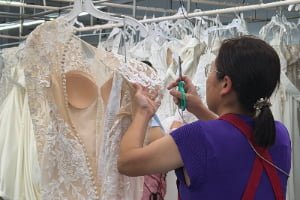
I see many buyers feel unsure today. Old sourcing rules no longer work. A wrong factory choice can create delays, returns, and lost trust.
China’s bridal manufacturing is not losing capability. From my production-side view, it is moving from large-batch efficiency to flexible production, with smaller orders, more styles, faster delivery needs, tighter quality checks, and more custom details.
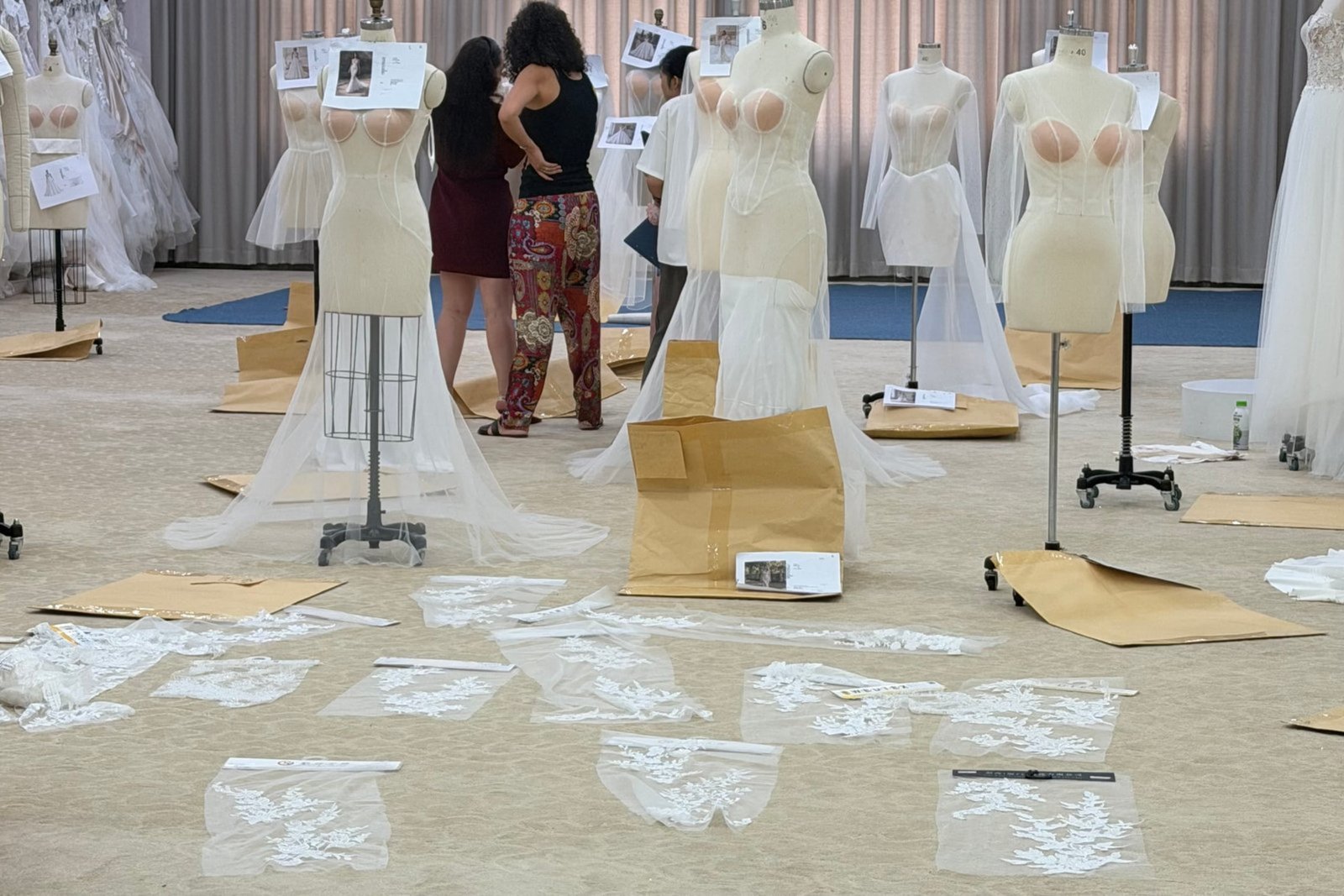
I work inside a bridal gown factory in China, so I see the change from the cutting table, sample room, sewing lines, and final inspection area. I do not see this as a simple rise or fall. I see a change in how work reaches the factory. Buyers still need good gowns. Brides still want beauty, fit, and safe delivery dates. But the way orders are placed has changed a lot. That change affects every step in production. If a buyer understands this shift, the buyer can ask better questions and choose a supplier with fewer surprises.
Why Are Bridal Orders Becoming Smaller and More Split?
I see buyers face more market risk now. One wrong style can sit in stock. One missed trend can block cash and shelf space.
From my factory-side observation, bridal orders are becoming more fragmented. Years ago, I might see about 16 to 17 pieces per style in some orders. Recently, I often see orders closer to 3 pieces per style.
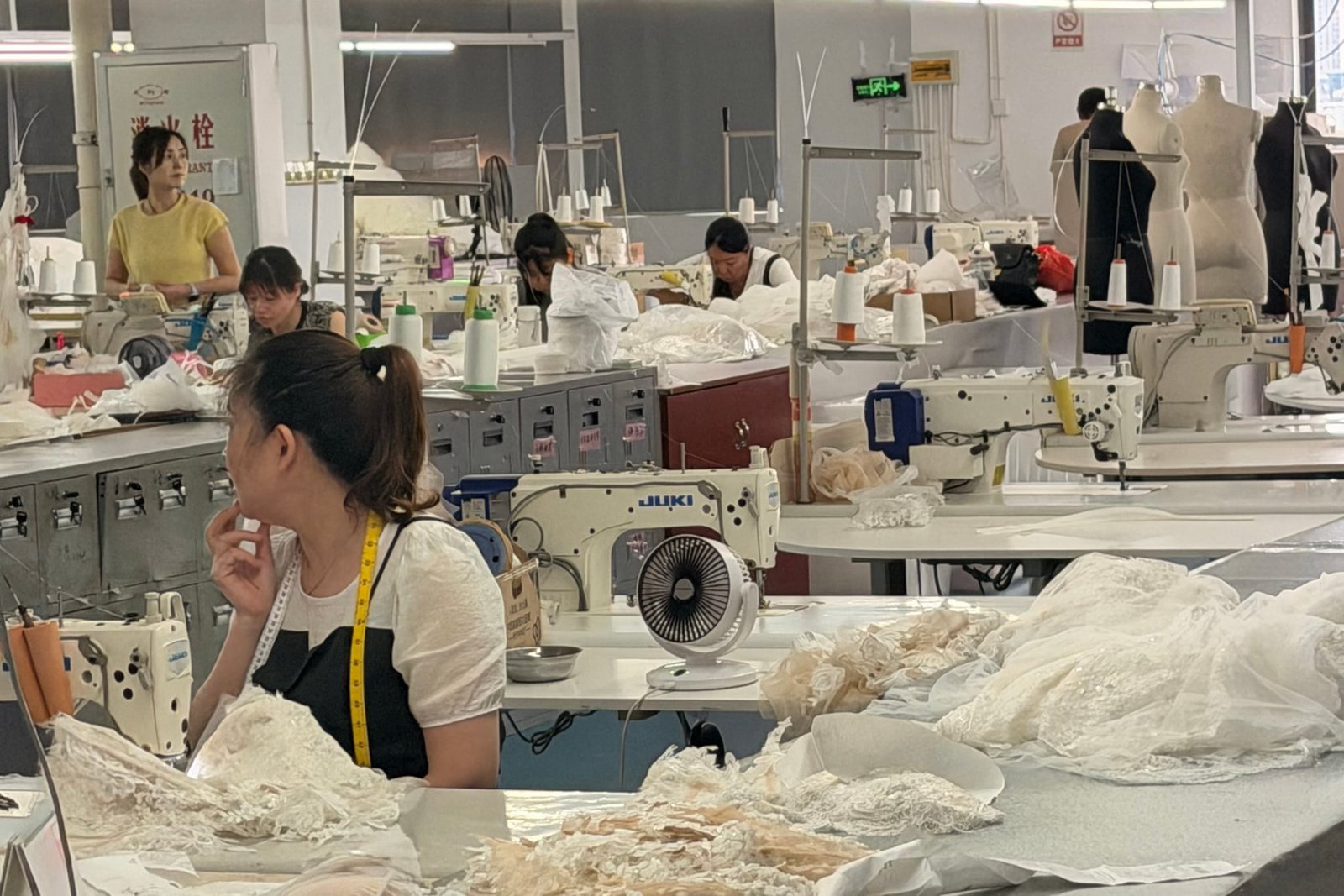
What I see in real order planning
I often see the same buyer place a similar total quantity, but the order is split into many more styles. This is not only a number change. It changes how the factory works. A bridal store wants more choice on the rack. A designer brand wants to test more looks before it commits to a larger reorder. A wholesaler wants to reduce inventory risk. I understand this need, because the retail side must move carefully.
From our production-side view, the old order pattern was easier to plan. A style could stay on one line longer. Workers could repeat the same steps and build speed. Today, a style may only have a few pieces. The team must read more tech packs, check more fabric combinations, confirm more measurements, and change more handwork methods.
| Order pattern I often see | Factory effect | Buyer risk if unmanaged |
|---|---|---|
| More styles, fewer pieces per style | More setup time | Wrong details may pass through |
| More sample-based decisions | More development work | Launch time may slow down |
| More test orders | More communication needed | Reorder plans may be unclear |
| More custom requests | More measurement checks | Fit problems may increase |
Why this matters to buyers
I do not think small orders are a problem by themselves. I think small orders become a problem when the factory still works like it is handling large batches. A factory must record details well. A factory must keep clear style files. A factory must train workers to switch styles without losing accuracy. For a boutique buyer, this means the supplier must be strong in both production and communication.
Why Does the Same Order Quantity Now Create More Work?
I see some buyers compare only total dress quantity. That view feels simple. But the real workload can double when styles multiply.
One hundred dresses across 5 styles is very different from 100 dresses across 40 styles. Cutting, appliqué placement, worker learning, process tracking, and inspection all become harder when style count rises.
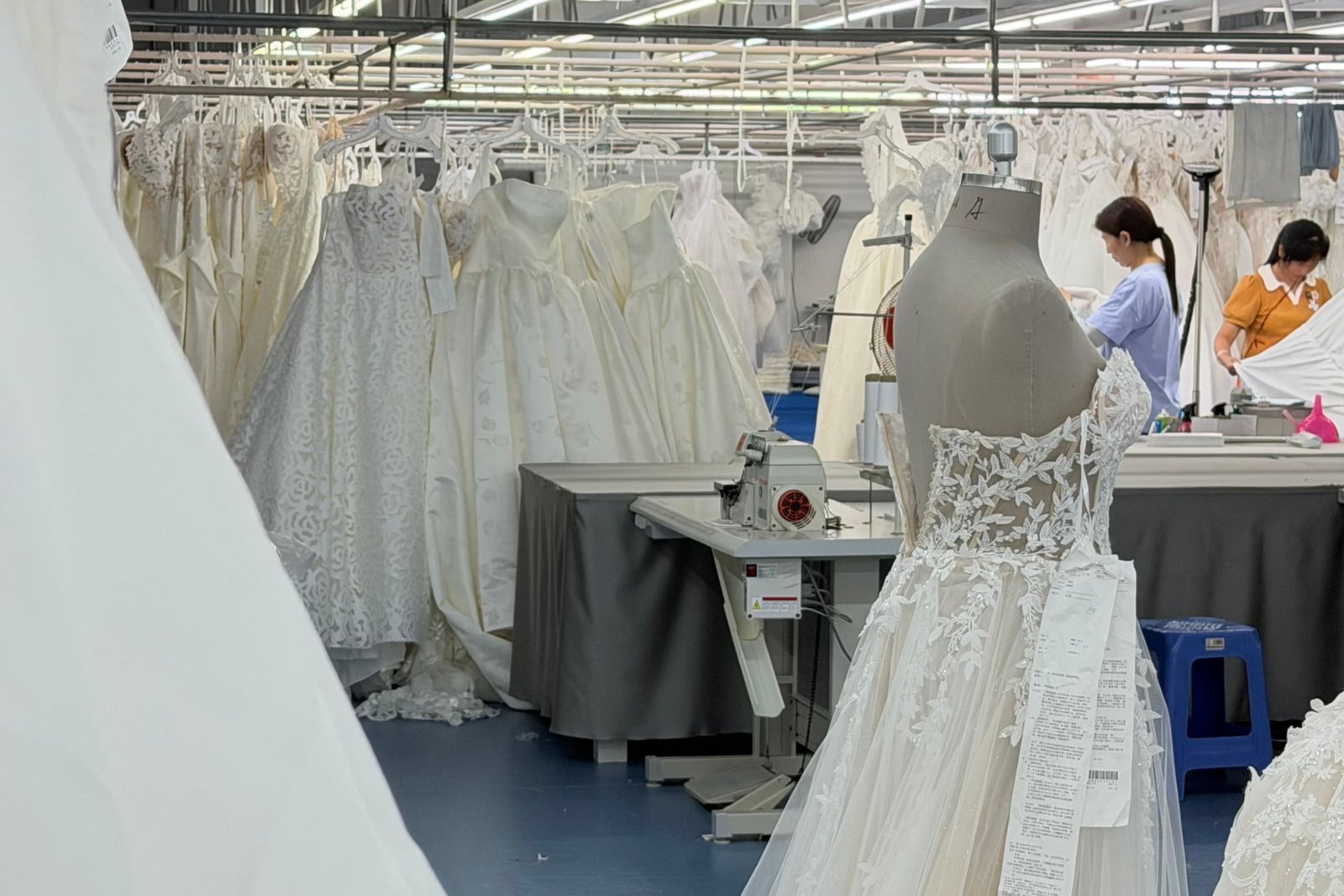
Where the extra work appears
I often explain this point with a simple example. If I make 100 dresses in 5 styles, each style has about 20 pieces. The cutting team can cut more layers with the same pattern. The sewing team can repeat the same bodice structure. The handwork team can follow the same lace placement for many pieces. The inspection team can focus on fewer check sheets.
If I make 100 dresses in 40 styles, the total quantity looks the same on paper. But the factory floor feels very different. The cutting team may change patterns many times. The appliqué team may need to match lace placement for many designs. The sewing team may handle many different necklines, corset structures, trains, sleeves, and skirt layers. The quality team must check more style details, not just general workmanship.
| Production step | 5-style order | 40-style order |
|---|---|---|
| Pattern checking | Fewer patterns | Many pattern files |
| Cutting | Longer runs | Frequent setup changes |
| Sewing | Faster worker familiarity | More style switching |
| Hand appliqué | Repeated placement | Many placement maps |
| Quality inspection | Fewer key points | More style-specific checks |
Why bridal is harder than basic apparel
I believe bridal production has a special challenge. A wedding dress is not only fabric and sewing. It often has a structured bodice, lace matching, beading, boning, cups, inner support, skirt layers, train shape, and delicate finishing. A small mistake can be very visible. A neckline change may affect support. A hem length change may affect the balance of the skirt. A lace placement issue may make the left and right sides look uneven.
In our factory, I see cutting and appliqué work become less efficient when orders are very split. This does not mean the team cannot make the gowns. It means the management system must be stronger. The factory must control style files, paper patterns, trims, labels, measurements, and inspection points in a more careful way. Buyers should understand this before they ask only for faster delivery and lower MOQ.
Why Is Quality Control Becoming More Important for Bridal Buyers?
I see boutiques carry real pressure. A bride may not forgive unstable beading, wrong color, poor fit, or late delivery before a wedding date.
Quality matters more because buyers carry higher downstream risk. A small factory mistake can become an expensive alteration, a return, a delayed fitting, or damage to a store’s reputation.
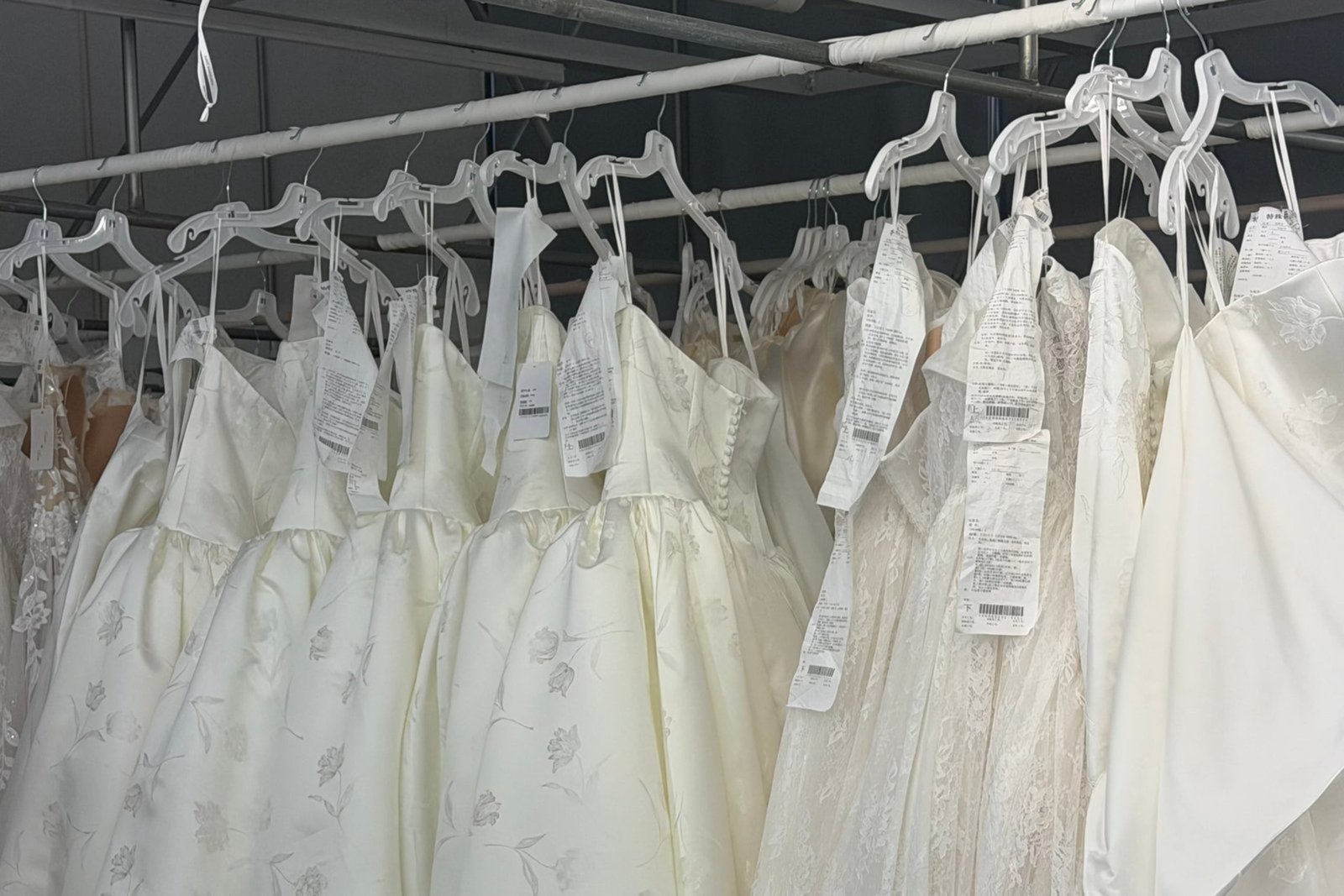
The buyer risk is not small
I often think about quality from the buyer’s side, not only from the factory side. A boutique buyer does not simply receive cartons. The store must face the bride. If the dress color is different from the sample, the store must explain it. If the bodice does not sit well, the store must arrange alterations. If beading falls off, the store may lose trust. If the delivery is late, the store may face a very emotional customer.
For this reason, bridal quality control must be more than a quick final look. I see good control as a system. It starts before cutting. It continues during sewing. It checks handwork. It checks measurements. It checks color consistency. It checks metal safety with needle detection when needed. It checks packing and final presentation.
| Quality area | Common buyer concern | What I believe a factory should control |
|---|---|---|
| Bodice fit | Dress slips or feels uncomfortable | Pattern, boning, cups, inner support |
| Lace and appliqué | Uneven look or wrong placement | Placement guide and handwork check |
| Beading | Loose decoration | Pull check and visual check |
| Color | Mismatch with sample or batch | Fabric and trim color control |
| Measurements | Alteration cost rises | In-line and final measurement check |
| Delivery | Missed fitting date | Production schedule and early warning |
Why custom details raise the quality bar
I see more custom requests now. Buyers may ask for hem length changes, neckline changes, sleeve changes, lining color changes, back coverage changes, or small size adjustments. These requests are normal in bridal. But they must be managed carefully. A hem length is not only a hem. It may change lace border placement. A neckline is not only a line. It may change support and the look of the bodice. A sleeve change may affect armhole comfort.
This is why I think strong quality control must connect with pattern-making and communication. If a sales person confirms a custom change but the pattern room does not understand it, the dress may fail. If the pattern room changes it but the sewing line does not receive a clear note, the dress may fail. Good factories reduce this risk with clear documents, internal checks, and photo confirmation when needed.
How Are Capable Chinese Bridal Factories Responding?
I see strong factories change their habits. They do not only chase low price. They build systems for small orders, fast changes, and detailed gowns.
The best Chinese bridal factories are improving quality management, pattern work, bodice structure, response speed, small-batch handling, urgent-order coordination, and long-term cooperation with buyers.
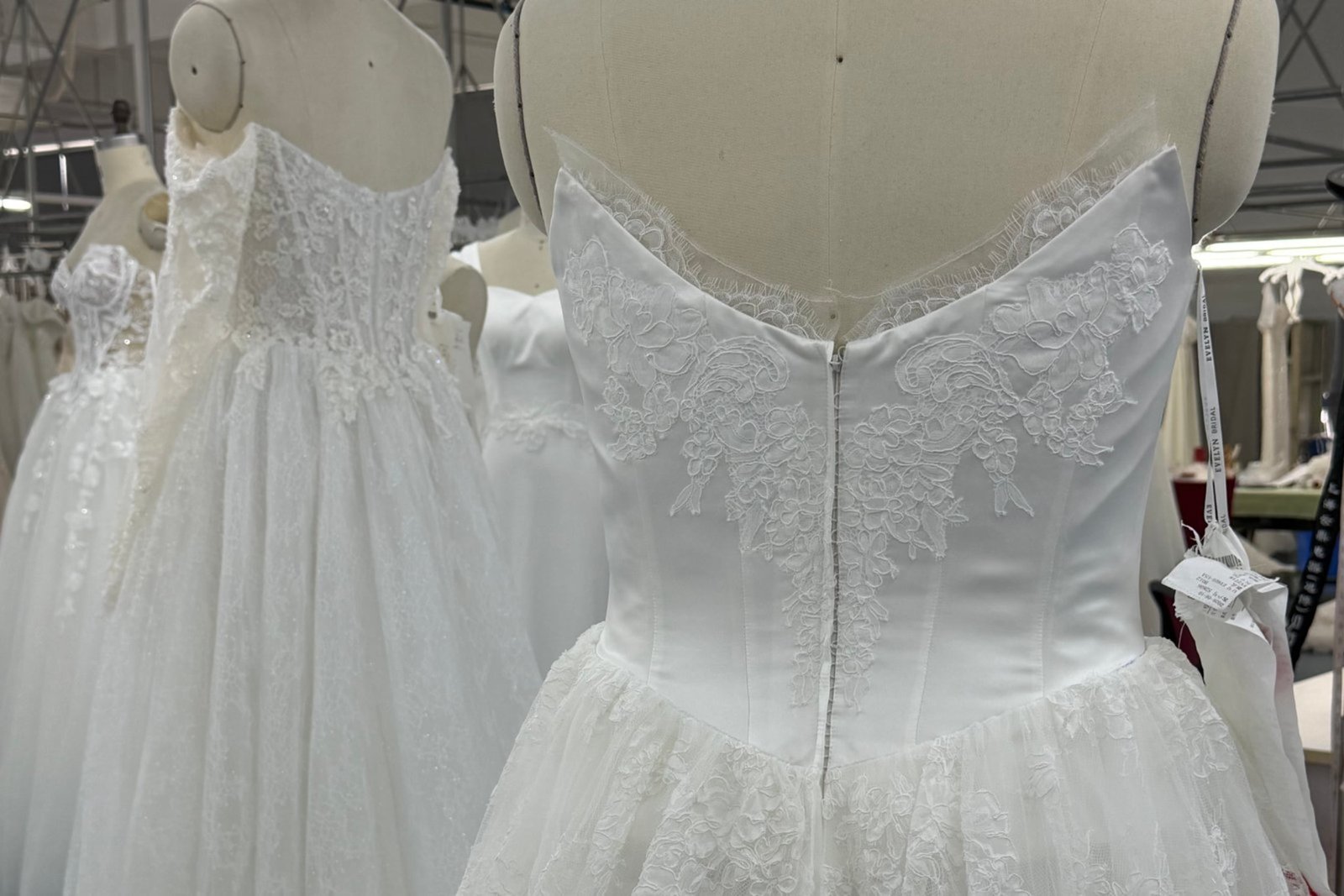
What flexible manufacturing looks like inside a factory
From my view, flexible manufacturing does not mean accepting every request without control. It means the factory can handle change without chaos. The sample room must work closely with production. The pattern team must understand structure, not only measurements. The production team must know which steps are easy to repeat and which steps need special attention. The quality team must check style-specific details, not only general defects.
In our factory conversations and daily work, I see urgent monthly shipments become more common. A buyer may need a few replenishment pieces quickly. Another buyer may need a new sample before a buying season. Another buyer may need one custom gown for a bride with a fixed wedding date. These cases need planning. If the factory only depends on large-batch rhythm, urgent orders can disturb everything.
| Factory capability | Why it matters now | What buyers can ask |
|---|---|---|
| Small-batch handling | Orders have more styles | How do you track each style? |
| Pattern capability | Fit problems are costly | Can you adjust bodice structure? |
| Fast communication | Details change often | Who confirms custom changes? |
| Quality checkpoints | Risk is higher | How many inspection stages exist? |
| Urgent order planning | Replenishment is common | How do you handle rush pieces? |
| Long-term file keeping | Reorders need consistency | Do you keep patterns and notes? |
Why bodice structure is a key sign
I pay close attention to the bodice because it tells me a lot about a factory’s real bridal skill. A wedding dress may look beautiful on a hanger, but the bodice must support the body. Corset construction, boning direction, cup position, seam balance, and back closure all matter. If the bodice is weak, the bride feels it during the fitting. The store also feels it through alteration cost.
Capable factories are also more careful with communication. I believe this is one of the biggest changes in China’s bridal manufacturing. In the past, some buyers cared most about price and quantity. Now many buyers ask about sampling speed, photo updates, QC reports, customization notes, and shipping timing. This is a healthy change. It pushes factories to become better partners, not only low-cost producers.
What Should Overseas Bridal Buyers Check Before Choosing a Supplier?
I see many buyers ask for MOQ and price first. I understand that need. But those two questions do not show the full risk.
Overseas buyers should check how a supplier manages multi-SKU orders, custom details, bodice fit, urgent timelines, inspection records, and communication flow before they judge price alone.
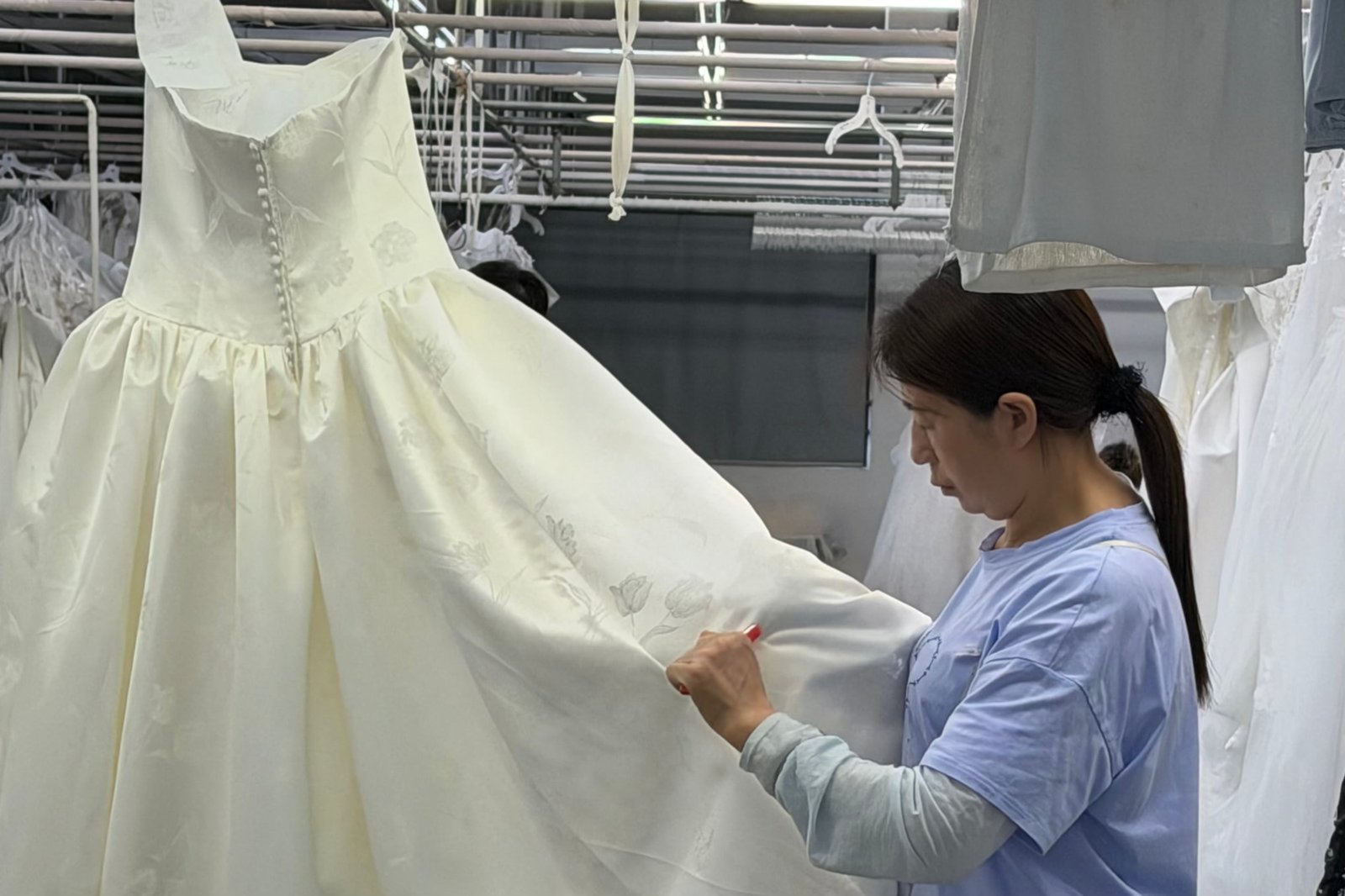
Questions I would ask if I were the buyer
If I were choosing a bridal supplier, I would first ask how the factory handles a real mixed order. I would not only ask if they can make a dress. Many factories can make one nice sample. The harder question is whether they can repeat the quality across many styles, small quantities, and changing details.
I would ask for the production process. I would ask who checks patterns before cutting. I would ask how lace placement is marked. I would ask how custom requests move from sales to the pattern room and then to the sewing line. I would ask how many quality checks happen before shipping. I would also ask how the factory handles urgent orders without hurting other orders.
| Buyer question | What the answer should reveal |
|---|---|
| How do you handle 30 to 40 styles in one order? | Style tracking and production control |
| Can you support MOQ 1 or small test orders? | Flexibility and sample-order process |
| How do you confirm custom changes? | Communication accuracy |
| Do you inspect semi-finished dresses? | Early defect control |
| How do you control color consistency? | Fabric and trim discipline |
| Can you manage corset bodice changes? | Pattern and structure skill |
| What happens if delivery risk appears? | Early warning and honesty |
Why long-term cooperation still matters
I believe long-term cooperation is becoming more valuable, not less valuable. When orders are fragmented, the factory needs to know the buyer’s fit standard, label rules, packing style, preferred materials, and communication habits. The buyer also needs to know the factory’s strengths and limits. Trust helps both sides move faster.
This does not mean a buyer should accept poor work because of a relationship. It means the buyer should build a supply base that can learn. A good factory keeps past patterns, notes, fabric records, and adjustment history. This helps future reorders stay consistent. It also helps new designs start faster.
I also think buyers should look at price with a clear mind. China still has strong bridal manufacturing resources, skilled handwork, and full supply chains. But the real value today is not only low price. The real value is stable quality under flexible order conditions. A slightly cheaper dress can become expensive if it creates returns, rush alterations, or damaged trust. A supplier should help the buyer reduce risk, not only reduce the first quotation.
Conclusion
China’s bridal manufacturing is shifting toward flexible, detail-heavy production. I believe buyers should judge suppliers by control, communication, fit skill, and small-batch strength.